Digital Experience Lead
PSC Consulting
Launched April 2026
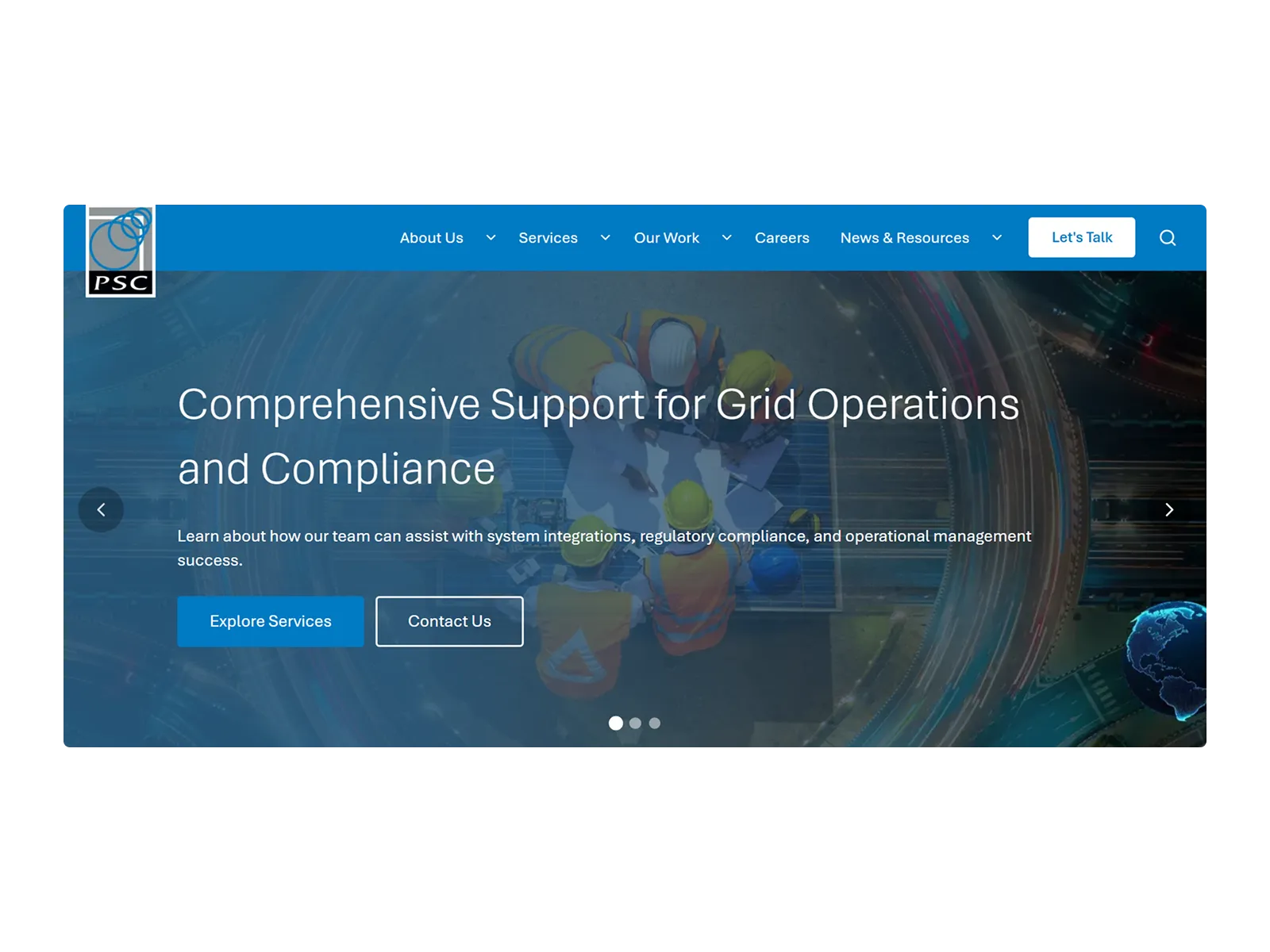
Visit live site →A full website rebuild and CMS migration that measurably improved performance, accessibility, and search, delivered as the sole technical contributor.
Context
PSC Consulting’s web presence had grown over years on WordPress into something that no longer served the business well: slow, dated, and difficult for the team to maintain. I was engaged as the sole technical contributor responsible for the company’s digital experience, working directly with sales, marketing, IT, and leadership.
Challenge
The site needed more than a visual refresh. It needed a foundation the marketing team could operate independently, performance and accessibility that met a modern bar, and a migration off WordPress onto a platform that fit how the business actually worked without losing search equity or disrupting the business during the transition.
Approach
Platform decision
The first real decision was whether to rebuild on WordPress or migrate entirely. WordPress had served its purpose, but the business was already running its CRM, email marketing, and sales pipeline through HubSpot. Rebuilding on WordPress would have meant maintaining two separate systems indefinitely: one for content, one for everything else. Migrating to HubSpot CMS meant consolidating the stack: the marketing team would work in one place, with content, analytics, and lead flow all connected. The tradeoff was giving up WordPress’s ecosystem flexibility, but for this team and this business, operational simplicity mattered more.
Custom modules over rigid templates
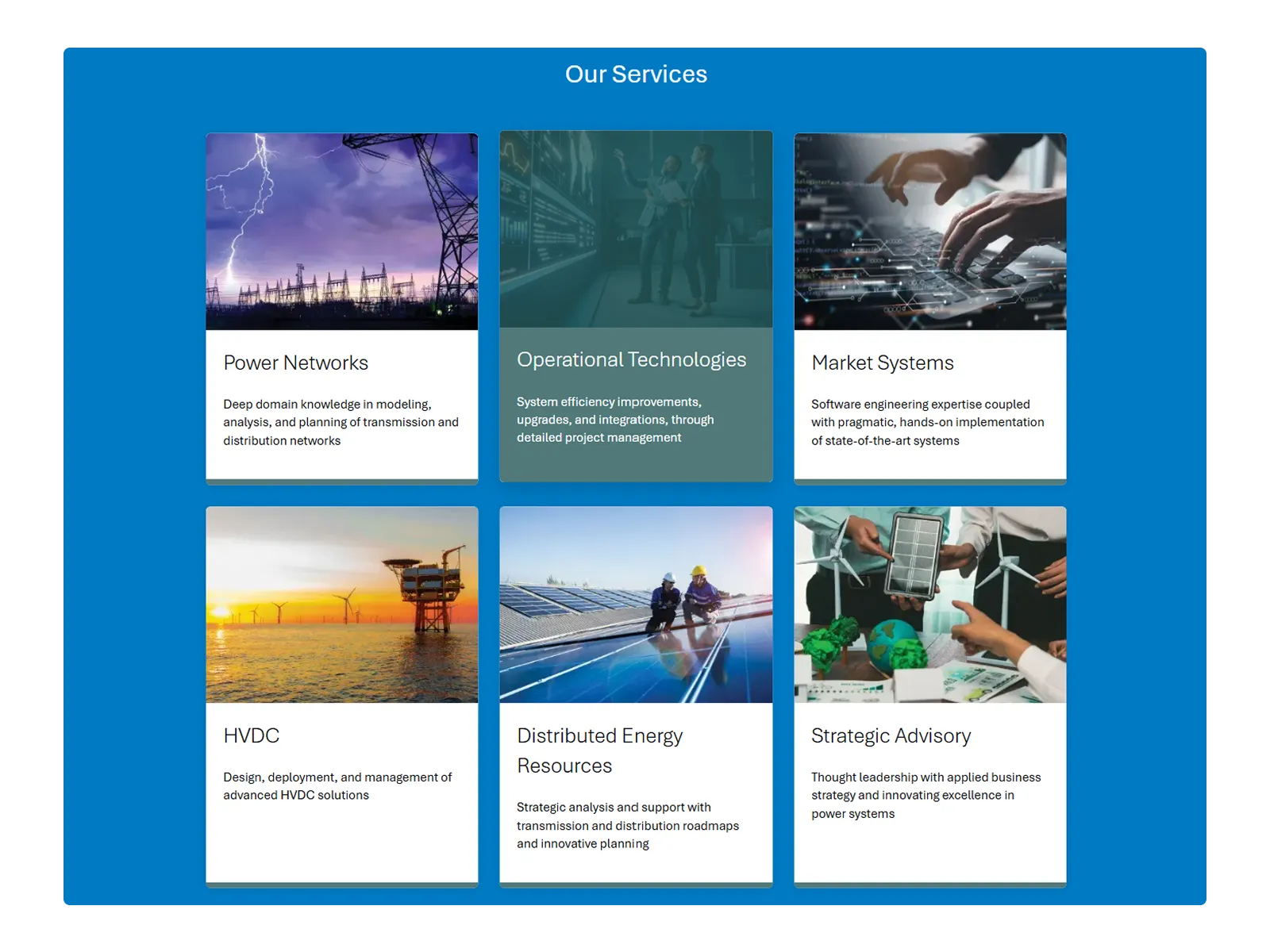
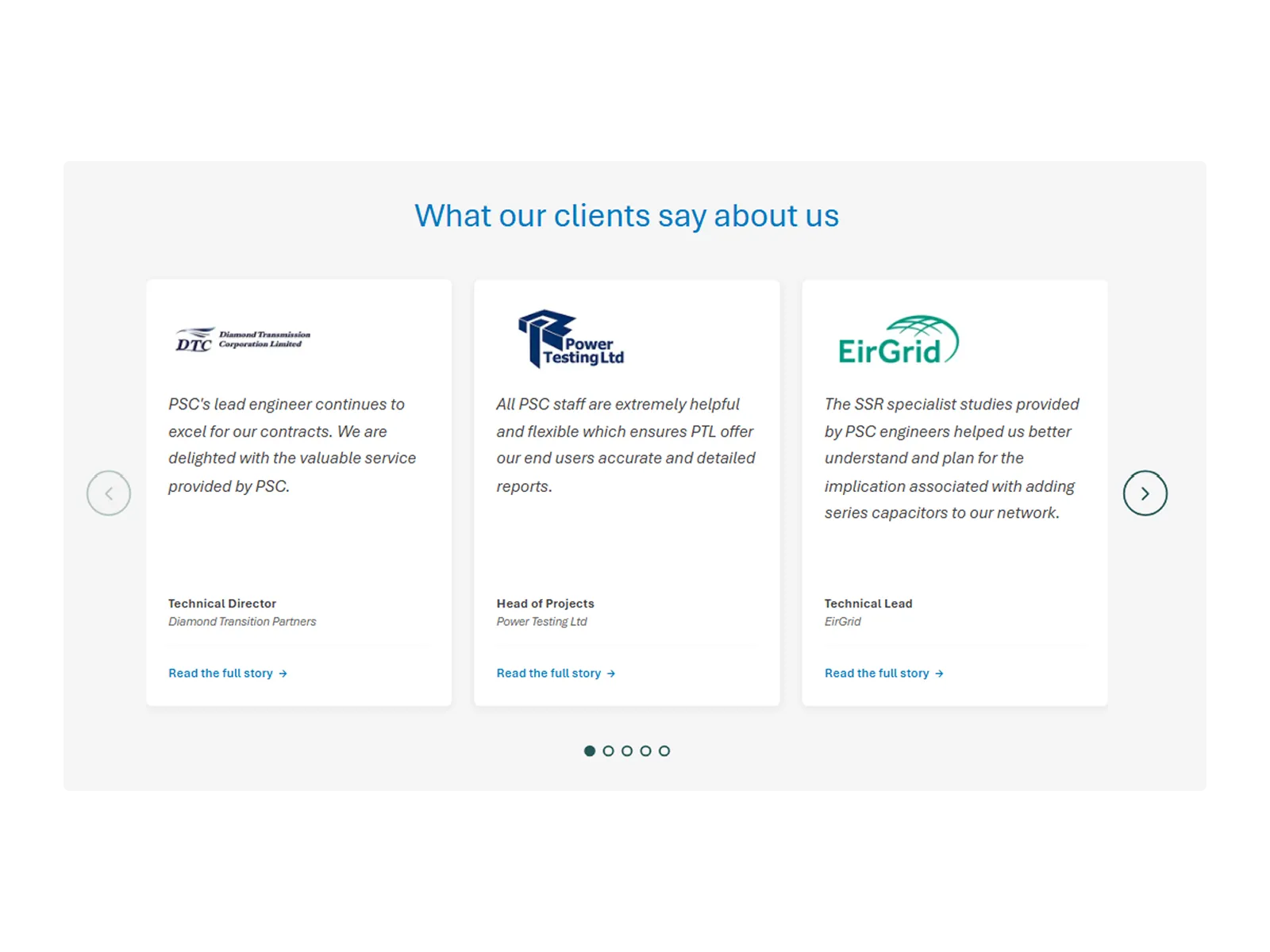
HubSpot’s default theme system is opinionated, and the out-of-the-box modules tend to look generic. Rather than fight the platform, I built the theme on top of HubSpot’s foundation while putting the custom value into bespoke HubL modules, including structured content fields, custom data types, and configurable layout patterns. The goal was to make the system safe enough for non-technical team members to update content confidently, without risking the layout or brand. Every module was designed so that the inputs were constrained: the right content in the right structure, every time.
Performance and accessibility as defaults
Performance and accessibility weren’t treated as a polish pass at the end. From the first module, the markup was semantic, images were optimized, and accessible patterns were built in—proper heading hierarchy, sufficient contrast, keyboard-navigable interactions. Technical SEO foundations (structured data, canonical URLs, redirects from the old WordPress paths) were planned from the start to preserve the search equity the site had built over years.
Cross-functional translation
As the sole technical contributor, a significant part of the work was translating between stakeholders. Sales needed specific lead capture flows. Marketing needed content flexibility. IT needed the migration to not break existing integrations. Leadership wanted measurable improvement. Each of those priorities had to be reconciled into a single coherent build, and the decisions about what to prioritize (and what to defer) shaped the final product as much as any technical choice.
Outcome
93
Performance (+30)
97
Accessibility (+12)
92
SEO (+7)
35%
Faster load times
The marketing team can now manage content independently through the custom modules, and the site is built on a platform aligned with how the business operates.
Selected Visuals
Reflection
The biggest lesson from this engagement was how much of the real work happens outside the code. Building for a team that would maintain the site long after my involvement ended meant every technical decision had to be evaluated through the lens of “will someone without a technical background be able to work with this confidently?” It changed how I think about module design as they became not just components for developers, but as tools for the people who use them every day.